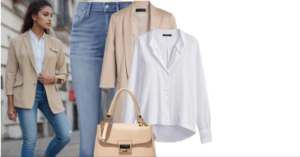
How to Build a Timeless Wardrobe: A Guide to Effortless Style
 admin
admin
Discover how to dress with confidence, choose versatile clothing, and develop a personal style that works for every occasion.
Fashion is more than following trends or purchasing expensive clothes. It is a way of expressing personality, confidence, and individuality through the choices we make every day. The clothes we wear can influence how we feel, how we present ourselves, and how comfortable we are in different situations.
However, keeping up with constantly changing fashion trends can become expensive and overwhelming. One season, oversized jackets are everywhere; the next, fitted silhouettes return. Colors, patterns, and popular styles change so quickly that maintaining a fashionable wardrobe can feel like a never-ending task.
The good news is that looking stylish does not require an enormous collection of clothes. By understanding your personal preferences, choosing versatile pieces, and paying attention to fit and quality, you can create a wardrobe that remains useful and attractive for years.
1. Discover Your Personal Style

The first step toward developing a timeless wardrobe is understanding what you genuinely enjoy wearing.
Some people prefer minimalist clothing with clean lines and neutral colors. Others feel more comfortable in casual streetwear, traditional outfits, bold patterns, or elegant formal clothing.
There is no single style that suits everyone. The key is to identify the clothes that make you feel comfortable and confident while fitting your lifestyle.
Start by looking at the outfits you already enjoy wearing. Notice which colors, fabrics, and silhouettes appear most frequently. You can also collect inspiration from fashion magazines, Pinterest, or street-style photographs.
Rather than copying every outfit you admire, identify the elements that appeal to you and adapt them to your own preferences.
Your personal style should reflect who you are, not simply what happens to be popular at the moment.
2. Invest in Wardrobe Essentials

A versatile wardrobe begins with a few dependable pieces that can be combined in different ways.
These essentials do not have to be expensive or come from luxury brands. What matters is that they fit well, suit your lifestyle, and work with other items you own.
Consider including the following:
- Basic T-shirts: White, black, gray, or other colors you wear frequently.
- Well-fitting jeans: A comfortable pair that works with casual and smart-casual outfits.
- Classic shirts: Suitable for work, social occasions, and everyday wear.
- Tailored trousers: Useful for professional settings and more formal events.
- A versatile jacket: Choose a style that complements several outfits.
- Comfortable shoes: Select footwear appropriate for your daily activities.
- Simple accessories: A belt, watch, scarf, or bag can complete an outfit.
These pieces create a foundation for many different combinations.
For example, a white shirt can be paired with jeans for a relaxed appearance or with tailored trousers for a more formal setting.
Building a wardrobe around versatile clothing helps reduce unnecessary purchases and makes getting dressed easier.
3. Choose Colors That Work Together

Color plays an important role in creating outfits that look coordinated.
Neutral shades such as black, white, beige, gray, brown, and navy are popular wardrobe foundations because they can be combined in numerous ways.
For example, navy trousers can work with a white shirt, a gray sweater, or a beige jacket. Similarly, black jeans can be paired with a variety of tops and shoes.
However, a timeless wardrobe does not have to be entirely neutral. Colors such as burgundy, olive green, pale blue, and muted pink can add personality without making an outfit difficult to coordinate.
Think about the colors you naturally enjoy wearing and how they complement the rest of your wardrobe.
Instead of buying an item simply because its color is fashionable, consider whether you can create at least three outfits with it using clothes you already own.
This small habit can make shopping more intentional and help prevent unused items from accumulating in your closet.
4. Understand the Importance of Fit

One of the most important elements of personal style is how clothing fits your body.
An expensive outfit may look uncomfortable or unbalanced if the proportions are incorrect. On the other hand, affordable clothing can look polished when it fits properly.
Pay attention to shoulder seams, sleeve lengths, trouser lengths, and how garments sit around your waist and hips.
Clothing should allow you to move comfortably without excessive pulling, bunching, or restriction.
Remember that sizes vary between brands, so do not rely entirely on the number printed on a label. Try different sizes and cuts when possible.
Simple alterations can also make a significant difference. Shortening trousers, adjusting sleeves, or taking in a shirt slightly may improve the overall appearance of an outfit.
The goal is not to hide your body or follow a particular body shape trend. It is to find clothing that fits comfortably and makes you feel confident.
5. Accessorize With Purpose

Accessories can transform a simple outfit without requiring an entirely new wardrobe.
A watch, belt, handbag, pair of sunglasses, or understated piece of jewelry can add personality and make an outfit feel more complete.
The key is choosing accessories that complement rather than overwhelm your clothing.
For a professional setting, a simple watch and a structured bag may create a polished appearance. For a casual outing, sneakers, sunglasses, and a practical crossbody bag might be more appropriate.
You do not need to wear several accessories at once. Sometimes, one carefully chosen item is enough.
Consider practicality as well as appearance. A bag should accommodate what you need to carry, shoes should suit the amount of walking you do, and jewelry should be comfortable for your daily activities.
Thoughtful accessories allow you to express your personality while keeping your wardrobe manageable.
6. Dress According to the Occasion

A stylish wardrobe should support the different situations you encounter throughout the week.
Clothing that works well for a relaxed weekend may not be suitable for a job interview or formal event. Understanding the expectations of each setting helps you choose outfits that feel appropriate.
For casual occasions, prioritize comfort, movement, and practical fabrics.
For work or professional meetings, consider clean lines, well-maintained shoes, and clothing that matches the environment.
For weddings, celebrations, and formal gatherings, pay attention to dress codes and cultural expectations. Traditional clothing can also be an elegant choice when appropriate to the occasion.
It is useful to plan outfits around your actual lifestyle rather than an imagined one. If you spend most of your time studying, working, or running errands, those activities should influence the clothes you prioritize.
A practical wardrobe is one that supports your everyday life instead of remaining untouched in a closet.
7. Take Care of Your Clothes

Buying good clothing is only part of building a lasting wardrobe. Proper care helps maintain the appearance and usefulness of the items you already own.
Read garment care labels before washing, separate clothing when necessary, and avoid excessive heat when drying delicate fabrics.
Hang garments that wrinkle easily and fold knitwear to help preserve its shape. Clean shoes regularly and address small repairs before they become larger problems.
It is also worth reviewing your wardrobe occasionally. Remove items that no longer fit your needs, repair pieces that can be saved, and identify gaps before purchasing replacements.
Taking care of your clothing can reduce waste, save money over time, and help you get more use out of your favorite pieces.
Fashion does not always require something new. Sometimes, it simply requires taking better care of what you already have.
8. Shop More Intentionally

Fashion trends can make it tempting to purchase new clothing frequently. However, buying more does not automatically create better style.
Before purchasing an item, consider its quality, fit, comfort, price, and versatility.
Ask yourself whether it complements your existing wardrobe and whether you can imagine wearing it regularly. If you are unsure, taking time to think about the purchase may help you avoid impulse buying.
You can also explore secondhand clothing, clothing exchanges, seasonal sales, and local brands to find options that fit your budget.
There is no need to replace an entire wardrobe simply because a new trend has appeared.
Developing personal style takes time, and some of the most useful wardrobe pieces are those you continue wearing long after their original trend has disappeared.
Last Words: Style Begins With Confidence
Building a timeless wardrobe is not about following strict rules or owning a particular number of clothing items. It is about understanding your preferences, making thoughtful choices, and creating combinations that suit your personality and lifestyle.
Start with versatile essentials, pay attention to fit, coordinate colors, and choose accessories that serve a purpose. Take care of your clothing and avoid purchasing items simply because they are popular.
Most importantly, allow your style to develop naturally. Your preferences may change as your lifestyle, responsibilities, and interests evolve.
You can enjoy fashion without spending beyond your means or constantly chasing the latest trends.
True style is not about wearing the most expensive clothes. It is about choosing what suits you, wearing it with confidence, and feeling comfortable in your own identity.
\ Get the latest news /