10 Stylish Outfit Ideas That Make Everyday Dressing Easier
 admin
admin
Discover versatile outfit combinations for everyday life, work, weekends, and special occasions without buying an entirely new wardrobe.
Choosing what to wear every morning can sometimes feel surprisingly difficult. Your wardrobe may be full of clothes, yet you might still feel that you have nothing suitable for the day.
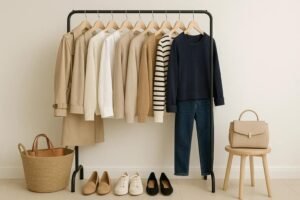
The secret to dressing well is not necessarily owning more clothing. It is learning how to combine the pieces you already have, choose colors that complement one another, and select outfits that suit your activities and personal style.
Whether you prefer minimalist fashion, casual streetwear, classic elegance, or comfortable everyday clothing, a few reliable outfit combinations can make getting dressed much easier.
Here are ten outfit ideas to inspire your everyday style.
1. The Classic White Shirt and Blue Jeans

Some outfit combinations remain popular because they are simple, comfortable, and easy to adapt.
A white shirt paired with blue jeans is a perfect example. This combination works for casual outings, shopping trips, informal meetings, and everyday activities.
For a relaxed look, choose straight-leg jeans, clean sneakers, and a slightly loose shirt. If you prefer something more polished, tuck in the shirt, add a leather belt, and finish the outfit with loafers or ankle boots.
Accessories can change the overall appearance without requiring a completely different outfit.
A simple watch, sunglasses, or structured handbag can add a refined touch.
Style tip: Pay attention to the fit of your jeans and the condition of your shoes. These small details can make a basic outfit look more intentional.
2. The Smart-Casual Blazer Outfit

A blazer is one of the most versatile pieces you can add to your wardrobe.
Wear it over a simple T-shirt with jeans for an effortless smart-casual appearance, or combine it with tailored trousers for a more professional look.
Neutral colors such as beige, navy, charcoal, and black are particularly easy to coordinate with other clothing.
For footwear, consider loafers, ankle boots, or minimalist sneakers, depending on the occasion.
This outfit works well for office environments, university presentations, casual business meetings, and dinners where you want to look polished without appearing overly formal.
Style tip: Choose a blazer that sits comfortably at the shoulders. A good fit often matters more than the brand name.
3. The Comfortable Weekend Outfit

Weekends are an opportunity to prioritize comfort while maintaining a neat appearance.
A sweatshirt or relaxed cotton top paired with jeans creates an outfit that works for errands, coffee outings, travel, and meeting friends.
Choose comfortable sneakers and a practical bag to complete the look. If the weather is cooler, add a lightweight jacket or denim layer.
You can also experiment with different proportions. For example, a relaxed top can be balanced with more structured trousers, while a fitted T-shirt works well with looser jeans.
The goal is to find an outfit that allows you to move comfortably throughout the day.
Style tip: Comfortable clothing does not have to look untidy. Clean shoes, well-maintained fabrics, and coordinated colors can make a simple weekend outfit look put together.
4. The Monochrome Outfit

Monochrome dressing involves building an outfit around one color or different shades of the same color.
Black is a popular choice, but this technique also works beautifully with beige, white, gray, navy, and brown.
For example, combine a charcoal sweater with dark gray trousers and black shoes. Alternatively, pair cream trousers with an ivory top and a light beige jacket.
The secret is to create visual interest through texture, layering, and proportion rather than relying on multiple contrasting colors.
A knitted top, smooth trousers, and a structured coat can look distinctive even when they belong to the same color family.
Style tip: If you prefer a simple wardrobe, monochrome outfits make it easier to combine separate pieces into coordinated looks.
5. The Summer Linen Outfit

Warm weather calls for clothing that feels breathable and comfortable.
Linen shirts, cotton trousers, lightweight dresses, and relaxed silhouettes are useful options for summer. Light shades such as white, cream, pale blue, and sand can create a fresh seasonal appearance.
For a casual daytime outfit, try a linen shirt with relaxed trousers and sandals. For a slightly more formal occasion, choose structured linen pieces and understated accessories.
Natural fabrics can wrinkle, particularly linen, so a slightly relaxed appearance is often part of the fabric's character.
Remember that comfort also depends on the weather, humidity, and the activities you have planned.
Style tip: Choose breathable fabrics and comfortable footwear, especially if you expect to spend much of the day outdoors.
6. The Denim-on-Denim Look

Denim is a wardrobe staple, and wearing it in multiple pieces can create a distinctive casual look.
The easiest way to style denim-on-denim is to combine different shades. For example, wear a lighter denim jacket with darker jeans, or pair dark denim trousers with a lighter blue shirt.
A plain white or black T-shirt can help balance the outfit and keep the overall appearance uncomplicated.
Sneakers, boots, or simple leather accessories work well with this combination.
You can also adapt the look to different seasons by adding a sweater, coat, or lightweight shirt underneath the jacket.
Style tip: If both denim pieces have similar shades, use differences in fit or texture to create contrast.
7. The Elegant Evening Outfit

Evening outfits do not need to be complicated to look elegant.
A well-fitted dress, tailored trousers with a refined top, or a coordinated two-piece outfit can work beautifully for dinners, celebrations, and social gatherings.
Darker colors such as black, navy, burgundy, and deep green are classic choices, although brighter colors can be equally suitable depending on your preferences and the occasion.
Choose accessories that complement the outfit rather than competing with it. A small bag, understated jewelry, and clean footwear can help create a balanced appearance.
The most important consideration is the event itself. A formal dinner, a casual gathering, and a wedding may each require a different level of dressiness.
Style tip: Prepare your outfit in advance so you have time to check the fit, coordinate accessories, and make any necessary adjustments.
8. The Minimalist Neutral Outfit

Neutral outfits are useful when you want a wardrobe that is easy to coordinate.
Combining cream, beige, white, gray, and brown creates a soft color palette that can work throughout much of the year.
For example, pair beige trousers with a cream sweater and white sneakers. Add a brown belt or matching bag for a subtle finishing touch.
You can also mix different materials to prevent the outfit from looking flat. Cotton, denim, wool, linen, and leather each have different textures that can add depth to a simple color scheme.
Neutral clothing can be particularly useful for people who prefer to purchase fewer pieces and wear them in multiple combinations.
Style tip: Keep the color palette consistent while experimenting with different fabrics and silhouettes.
9. The Layered Autumn Outfit

Layering adds both practicality and visual interest to an outfit, especially when temperatures change throughout the day.
A simple combination might include a T-shirt, lightweight sweater, and coat. Jeans or tailored trousers provide a versatile foundation, while boots or closed shoes complete the look.
Earthy shades such as camel, olive, brown, rust, and charcoal work naturally with autumn-inspired outfits.
However, layering is not limited to cold climates. In places with mild winters or fluctuating temperatures, lightweight overshirts and breathable jackets can provide flexibility without adding too much warmth.
The key is choosing layers that can be removed easily when conditions change.
Style tip: Begin with thinner layers and add a warmer outer piece when needed. This helps you remain comfortable without making the outfit feel bulky.
10. The Effortless Everyday Dress

For days when you want a complete outfit with minimal effort, a versatile dress can be a practical option.
A shirt dress, cotton midi dress, or simple everyday dress can be styled differently depending on the occasion.
Wear it with sneakers and a crossbody bag for daytime activities. Add a cardigan or jacket when the weather is cooler, or choose more formal footwear and accessories for an evening event.
The right cut and fabric will depend on your comfort, personal preferences, and local climate.
A dress that can be worn in several settings is often more useful than a highly distinctive piece reserved for a single occasion.
Style tip: Consider versatility when shopping. If a dress works with several pairs of shoes and different outer layers, it may become one of the most frequently worn items in your wardrobe.
How to Build More Outfits With Fewer Clothes

You do not need to purchase all ten outfits to benefit from these ideas. In many cases, a few carefully selected pieces can create numerous combinations.
Here are some practical ways to make your wardrobe more versatile:
- Choose compatible colors. Select shades that work together so your tops, trousers, and outerwear can be mixed easily.
- Prioritize fit and comfort. Clothing you enjoy wearing is more likely to become a regular part of your wardrobe.
- Plan around your lifestyle. Give priority to the clothes you need for work, education, travel, and everyday activities.
- Repeat your favorite outfits. There is nothing wrong with wearing combinations that work well for you.
- Avoid unnecessary purchases. Before buying something new, consider whether it fills a genuine gap in your wardrobe.
- Care for your clothes. Washing, storing, and repairing clothing properly can help extend its useful life.
A useful wardrobe is not necessarily the largest one. It is the one that gives you practical options without making everyday decisions unnecessarily difficult.
Finally: Make Fashion Work for You
Personal style develops through experimentation, experience, and an understanding of what makes you feel comfortable and confident.
You do not need to follow every fashion trend, purchase expensive brands, or change your appearance to match someone else's preferences. Instead, focus on clothing that suits your lifestyle, works for your budget, and reflects your personality.
Start with a few versatile basics, experiment with different combinations, and pay attention to the small details that make an outfit feel complete.
Over time, you will discover which colors, fabrics, cuts, and accessories work best for you.
The secret to great outfits is not having more clothes. It is knowing how to make the most of the clothes you already own.
\ Get the latest news /